Mother of Mercy

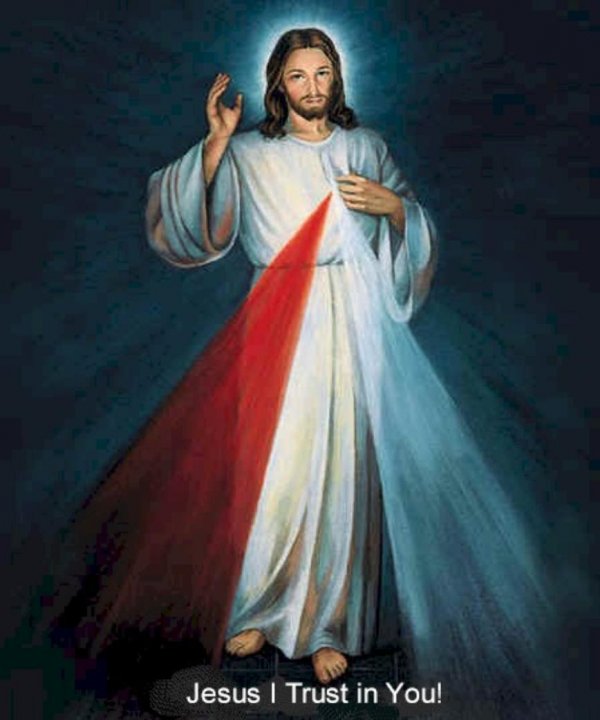
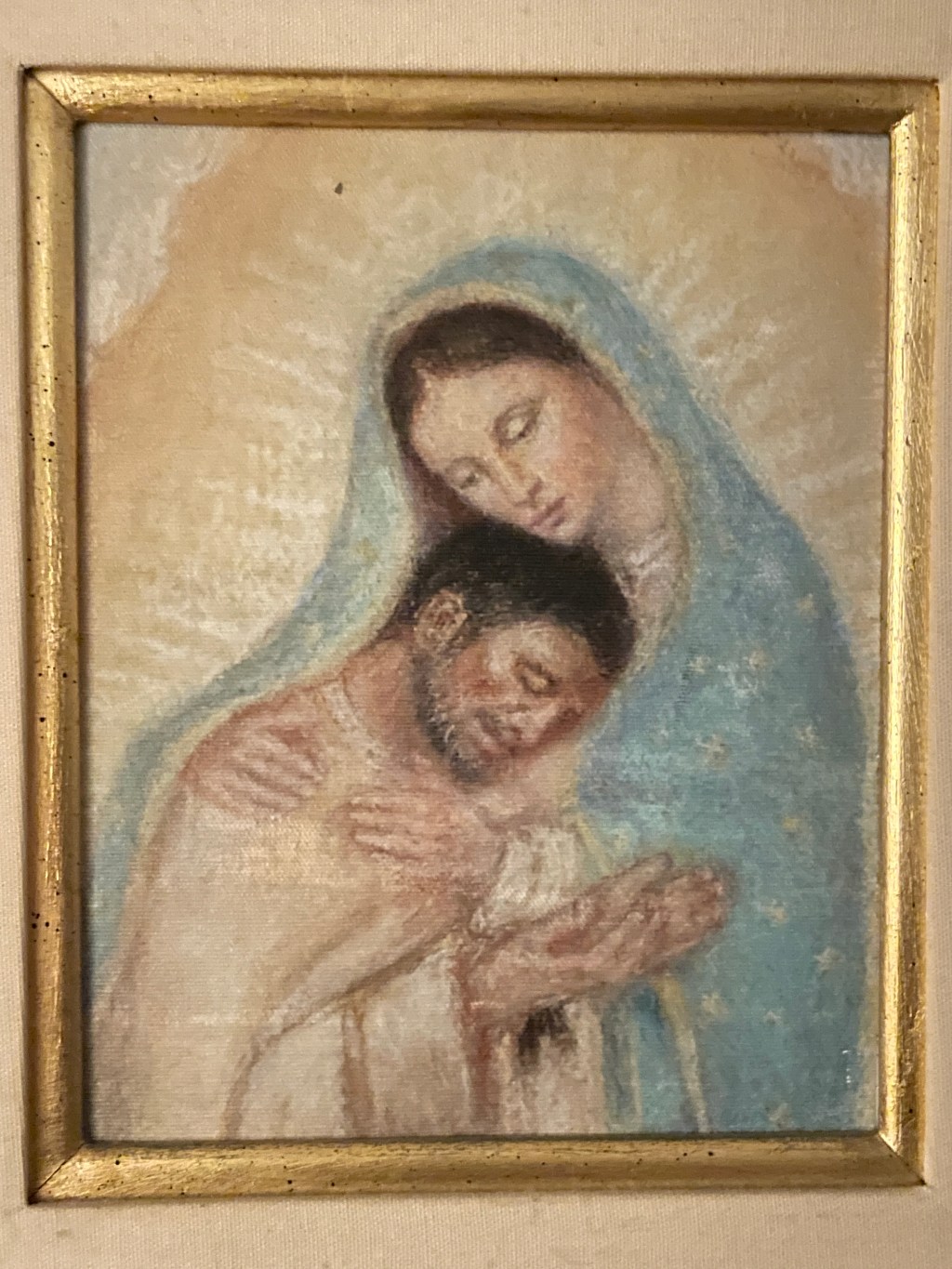
I would be remiss today, if I did not acknowledge the role of Mary in my healing. As both the patroness of our "Entering Canaan" Ministry http://sistersoflife.org/hope-and-healing-after-abortion and intercessor in my personal healing, Mary has been instrumental in bringing me to the Mercy of her Son.

Many people have this idea that Catholics worship Mary, but that is so far from the truth. No one can go to Mary without her pointing them to Jesus. Her entire life was spent in serving God and pointing the way to Him…what better place to hear this then in her prayer The Magnificat, singing God's praises.

On this her birthday ,here is a commentary by Pope John Paul II

MARY SINGS THE PRAISES OF GOD’S
MERCY
Pope John Paul II


In the ‘Magnificat’, the Blessed Virgin proclaims the greatness of
God who called her, his humble handmaid, to be the Mother of his
Incarnate Son

At the General Audience of Wednesday, 6 November, the Holy Father
returned to his catechesis on the Virgin Mary with a reflection on her
song known as the
Magnificat. "With her wise reading of
history, Mary leads us to discover the criteria of God's mysterious
action. Overturning the judgements of the world, he comes to the aid of
the poor and lowly", the Pope said, pointing out that it is
humility of heart which the Lord finds especially attractive. Here is a
translation of the Holy Father's catechesis, which was the 35th in the
series on the Blessed Virgin and was given in Italian.

1. Inspired by the Old Testament tradition, with the song of the Magnificat
Mary celebrates the marvels God worked in her. This song is the
Virgin's response to the mystery of the Annunciation: the angel had
invited her to rejoice and Mary now expresses the exultation of her
spirit in God her Saviour. Her joy flows from the personal experience of
God's looking with kindness upon her, a poor creature with no historical
influence.

The word Magnificat, the Latin version of a Greek word
with the same meaning, celebrates the greatness of God, who reveals his
omnipotence through the angel's message, surpassing the expectations and
hopes of the people of the Covenant, and even the noblest aspirations of
the human soul.

He who is mighty has done great things for me

In the presence of the powerful and merciful Lord, Mary expresses her
own sense of lowliness: "My soul magnifies the Lord and my spirit
rejoices in God my Saviour, for he has regarded the low estate of his
handmaiden" (Lk 1:47-48). The Greek word "tapeínosis" is
probably borrowed from the song of Hannah, Samuel's mother. It calls
attention to the "humiliation" and "misery" of a
barren woman (cf. 1 Sam 1: 11), who confides her pain to the Lord. With
a similar expression, Mary makes known her situation of poverty and her
awareness of being little before God, who by a free decision looked upon
her, a humble girl from Nazareth and called her to become the Mother of
the Messiah.

2. The words "henceforth all generations will call me
blessed" (Lk 1:48) arise from the fact that Elizabeth was the first
to proclaim Mary "blessed" (Lk 1:45). Not without daring, the
song predicts that this same proclamation will be extended and increased
with relentless momentum, At the same time, it testifies to the special
veneration for the Mother of Jesus which has been present in the
Christian community from the very first century. The Magnificat is
the first fruit of the various forms of devotion, passed on from one
generation to the next, in which the Church has expressed her love for
the Virgin of Nazareth.

3. "For he who is mighty has done great things for me and holy
is his name, And his mercy is on those who fear him from generation to
generation" (Lk 1:49-50).

What are the "great things" that the Almighty accomplished
in Mary? The expression recurs in the Old Testament to indicate the
deliverance of the people of Israel from Egypt or Babylon. In the Magnificat,
it refers to the mysterious event of Jesus' virginal conception,
which occurred in Nazareth after the angel's announcement.

In the Magnificat, a truly theological song because it
reveals the experience Mary had of God's looking upon her, God is not
only the Almighty to whom nothing is impossible, as Gabriel had
declared (cf. Lk 1:37), but also the Merciful, capable of
tenderness and fidelity towards every human being.

4. "He has shown strength with his arm, he has scattered the
proud in the imagination of their hearts, he has put down the mighty
from their thrones, and exalted those of low degree; he has filled the
hungry with good things, and the rich he has sent empty away" (Lk
1: 51-53).

With her wise reading of history, Mary leads us to discover the
criteria of God's mysterious action. Overturning the judgements of the
world, he comes to the aid of the poor and lowly, to the detriment of
the rich and powerful, and in a surprising way he fills with good things
the humble who entrust their lives to him (cf. Redemptoris Mater,
n. 37).

While these words of the song show us Mary as a concrete and sublime
model, they give us to understand that it is especially humility of
heart which attracts God's kindness.

God fulfils his promises in Mary with abundant generosity

5. Lastly, the song exalts the fulfilment of God's promises and his
fidelity to the chosen people: "He has helped his servant Israel,
in remembrance of his mercy, as he spoke to our fathers, to Abraham and
to his posterity for ever" (Lk 1:54-55).

Filled with divine gifts, Mary does not limit her vision to her own
personal case, but realizes how these gifts show forth God's mercy
towards all his people. In her, God fulfils his promises with a
superabundance of fidelity and generosity.

Inspired by the Old Testament and by the spirituality of the daughter

of Zion, the Magnificat surpasses the prophetic texts on which it
is based, revealing in her who is "full of grace" the
beginning of a divine intervention which far exceeds Israel's messianic
hopes: the holy mystery of the Incarnation of the Word.

 
Vis

My soul magnifies the Lord,
And my spirit rejoices in God my Savior.
For He has regarded the low estate of His handmaiden,
For behold, henceforth all generations shall call me blessed.
For He who is mighty has done great things for me, and holy is
His name. And His mercy is on those who fear Him from generation to
generation.
He has shown strength with His arm:
He has scattered the proud in the imagination of their hearts.
He has put down the mighty from their thrones,
and exalted those of low degree.
He has filled the hungry with good things;
and the rich He has sent empty away.
He has helped His servant Israel, in remembrance of His mercy;
As He spoke to our fathers, to Abraham and to His posterity forever.

Glory be to the Father and to the Son and to the Holy Spirit.
As it was in the beginning, is now and ever shall be, world without end. Amen

Happy Birthday Mary!

Leave a comment

Reclaiming Our Children

“because nothing is definitively lost…”

St John Paul II

Reclaiming Our Children (ROC) was formed and incorporated in 2001 as a 501c3, the lay apostolate of the Entering Canaan post-abortion ministry.

PO Box 516
Mamaroneck, NY 10543

Let’s connect

enteringcanaan17@gmail.com