New York Magazine's offered an article today with interviews with 26 women who have had an abortion. Lots of different feelings and views are reported which certainly reflects the truth of diffferent situations. It's not clear if the article is trying to take away "stigma" which is a major focus of pro-abortion groups. Like I always say, it won't work because the stigma comes from what we did – not from others.
Will be reading this again and commenting more. What do you do you think?
My Abortion
One in three women has an abortion by the age of 45. How many ever talk about it? New laws, old stigmas. 26 stories.
By Meaghan Winter
Published Nov 10, 2013
 |
|
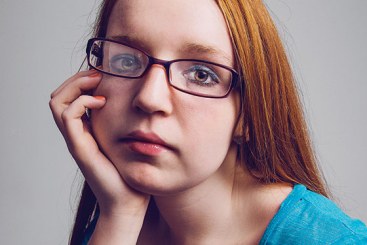
Nicole, 19, Kentucky
(Photo: Christopher Anderson/Magnum Photos/New York Magazine)
|
 |
Of all the battles in our
half-century culture war, perhaps none seems further from being
resolved, in our laws and in our consciences, than abortion. It’s a
fight now in its fifth decade, yet in the past two years, 26 states have
passed over 111 provisions restricting abortion. In Texas, the state
where the single, pregnant woman who became Jane Roe sued for access to
an abortion 41 years ago, Wendy Davis became a national hero for
filibustering abortion legislation, as did her governor for signing it
into law.
Lawsuits have been waged and courts have adjudicated, and
still we seem no closer to consensus on when, where, how, and if a woman
should be able to terminate a pregnancy. Even in Roe v. Wade, the
Supreme Court was qualified in its judgment: An abortion was a personal
decision only in the first trimester; in the second, states could
intervene on behalf of the woman’s health; once the fetus was considered
“viable,” a state could set whatever limitations it saw fit.
Successive court rulings have granted even more latitude in
writing abortion laws, and legislators have responded by creating a
patchwork of regulations: Arkansas has banned abortion after twelve
weeks, while in Louisiana, a woman is shown her ultrasound before having
an abortion. In California, a trained nurse practitioner can now
perform an abortion, but in Mississippi, a provider must be an
obstetrician with admitting privileges at a local hospital, a rule that
could shut down the state’s last remaining clinic. This month, a federal
appeals court upheld a similar law in Texas, closing all but a handful
of clinics.
But for all the regulations and protests, despite “safe,
legal, and rare” and “abortion is murder,” abortion is part of our
everyday experience. Nearly half of all pregnancies are unintended;
about half of those—1.2 million—will end in abortion each year.
And yet abortion is something we tend to be more comfortable
discussing as an abstraction; the feelings it provokes are too
complicated to face in all their particularities. Which is perhaps why,
even in doggedly liberal parts of the country, very few people talk
openly about the experience, leaving the reality of abortion, and the
emotions that accompany it, a silent witness in our political discourse.
Even now, four decades after Roe, some of the women we spoke with would talk only if we didn’t print their real names.
As their stories show, the experience of abortion in the
United States in 2013 is vastly uneven. It varies not just by state but
also by culture, race, income, age, family; by whether a boyfriend
offered a ride to the clinic or begged her not to go; by the compassion
or callousness of the medical staff; by whether she took the pill alone
at home or navigated protesters outside a clinic. Some feel so shamed
that they will never tell their friends or family; others feel stronger
for having gotten through the experience. The same woman can wake up one
morning with regret, the next with relief—most have feelings too knotty
for a picket sign. “There’s no room,” one woman told us, “to talk about
being unsure.”
Read the entire article here.


 Reclaiming Our Children: A Blog About Healing After Abortion
Leave a comment